- 1457 Jordan Ave, Crofton, MD 21114


IFS Therapy In Crofton, MD
What Is IFS Therapy?
IFS (Internal Family Systems) therapy is based on the principle that all of us have many parts of ourselves, and that these parts interact with each other like members of a family do. According to the theory behind Internal Family Systems therapy, there are several different types of parts, including exiles (hurt parts that are generally out of conscious awareness) and two different types of protectors: managers and firefighters. Each person also has a Self, which cannot be harmed or destroyed, but is sometimes hidden. IFS therapy aims to heal both the exiles and the protectors and to find roles for protector parts that help, rather than hurt, the system. The ultimate goal is for the Self to be the leader of the system, with the understanding that nobody can be “in Self” 100% of the time.
IFS Therapy Has Been Helping Clients for Decades
Internal Family Systems therapy was founded in the 1980s by Dr. Richard Schwartz. Dr. Schwartz was a family systems therapist; when he discovered that our internal systems of parts act much like family systems in the outside world do, Internal Family Systems therapy was born. Thousands of therapists have successfully used IFS therapy with their clients in the decades since Dr. Schwartz first developed it.
Trials and studies of IFS have suggested that this treatment model serves to increase self-compassion, and that it can offer positive outcomes for depression and PTSD. The IFS Institute is working on broadening the research base, with the goal of showing its efficacy in treating other mental disorders in addition to depression and PTSD.[1]
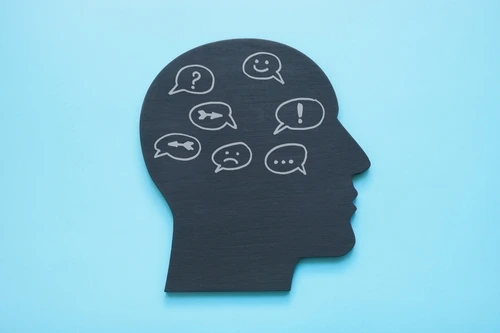
I use IFS therapy with all of my clients, even if it’s only in the service of my own internal understanding of their systems. Most of my clients are very hard on themselves, so I use IFS principles to help them to develop more self-compassion. I also find IFS to be helpful in the treatment of trauma, depression, and anxiety.
I generally start an IFS session by asking the client what part they want to work with that day. Once we find the part, I help the client to focus on the part, notice how they feel toward it, befriend it, flesh it out, and find out what it fears would happen if it were to stop doing its job. (Find, Focus, Feel toward, beFriend, Flesh out, and Fears are known as the “6 Fs” of IFS therapy.) Eventually, we get the protector’s permission to talk to the exile it’s protecting. We then help the exile to escape the trauma it’s been living with. The ultimate goal is to heal the various parts of the system, find helpful roles for protector parts, and help the Self to become the leader of the system.
No Bad Parts
Through my work with IFS therapy, I have come to realize, to quote the title of one of Dr. Schwartz’s books, that there are “no bad parts.” All of the parts of us, even ones like our inner critics, are trying to help; they just don’t always know how. Trying to push aside or get rid of a part of us that is being unhelpful is likely to backfire. Internal Family Systems therapists know this, which is one reason why they are so successful in helping their clients to heal.
Clients learn self-compassion through IFS. They learn to recognize the parts of their internal family system and to work with them, rather than against them. They learn to help their parts to heal from trauma. They begin to recognize when they are being “Self-led,” and they engage in behaviors and ways of thinking that encourage Self-leadership.
I first learned about parts work in my EMDR basic training. It was then that I learned how important it is to be aware of, and to work with, a client’s parts. I explored the topic on my own after that training, and then began formal study of IFS in 2022. Part of the training I did that year was the “IFS Inner Circle,” which was a 40-hour training sponsored by the IFS Institute. I am currently in the process of becoming certified as an IFS therapist.
No matter what modality I’m working with, whether it’s EMDR, Brainspotting, sandtray therapy, or even something like CBT, I’m always paying attention to my clients’ parts. I don’t always explicitly talk about them, but I’m always on the lookout for parts and their interactions.
I only choose modalities that I know are effective, and that are respectful and supportive of a client’s capacity to heal. Even in the short term, my clients see improvement from IFS therapy, because they are starting to befriend their parts. This befriending helps to regulate the system as a whole, and parts that are honored and respected are able to find ways to be genuinely helpful. In the long term, wounded parts finally find healing, and the Self is able to lead the system, as it was meant to do.